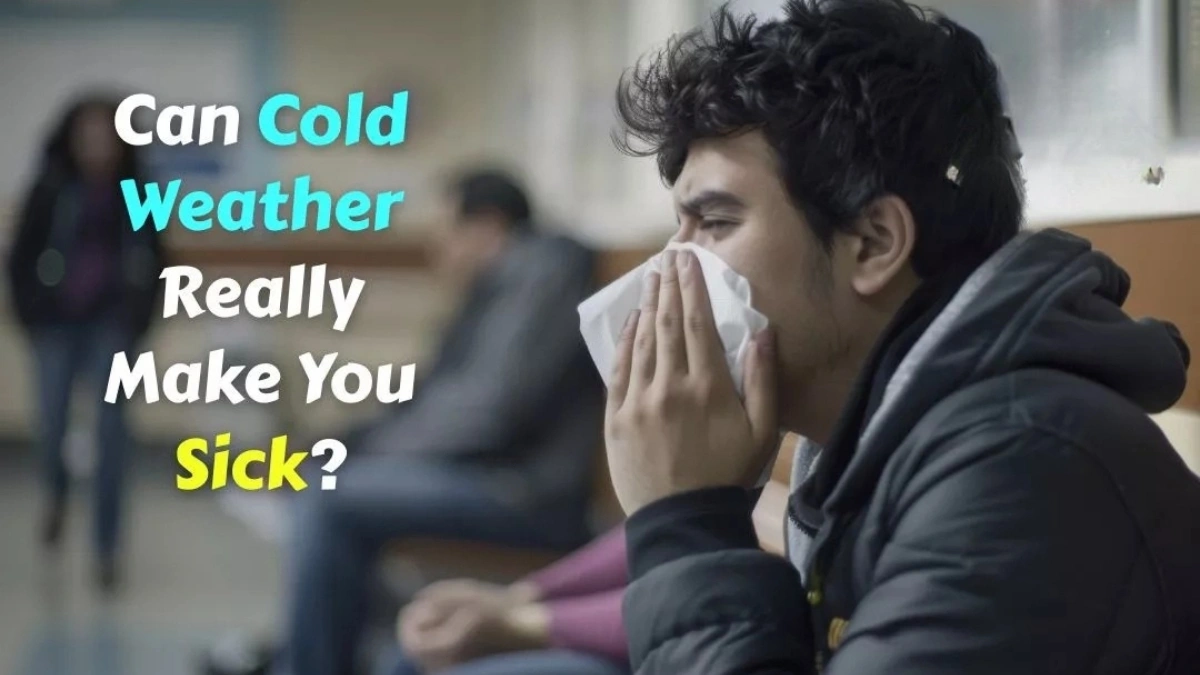
Fall Sick: As winter approaches, most of us believe that drinking cold water or sitting in AC causes colds. Even at home, we often hear the advice to avoid cold things altogether, lest we catch a cold. But the reality is quite different. The true cause of colds isn’t cold, but viruses. Colds only worsen our symptoms.
Doctors say that our bodies are certainly affected by temperature, but they don’t cause infection. Colds occur when viruses enter our bodies and weaken our immune system. This means that the real enemy isn’t cold, but the viruses that circulate in the air.

Fall Sick: Does cold water or sitting in AC cause colds?

Many people believe that cold water causes colds. But doctors say this is just a misconception. Exposure to cold water or AC may cause a slight irritation or discomfort in the throat, but infection occurs only if viruses are present in the body. In fact, the root cause of colds is viruses like rhinovirus, not cold weather or cold water.
When we live in very cold places, the moisture in our nose and throat decreases. This allows viruses to stick to and multiply in the body. Therefore, it seems that the cold itself caused the illness, when in reality, the viruses were already present and have now become active.
Fall Sick: So why are colds more common in winter or the rainy season?
In winter, we spend most of our time indoors, in closed spaces, and in close proximity to others. Viruses spread rapidly through the air. This is why, if one person gets sick, the cold spreads to the entire family. Cold weather makes the nose dry, allowing viruses to survive in the body.

Immunity also weakens slightly during the rainy and winter seasons, and people spend less time in the sun. This makes it difficult to avoid virus attacks. While the weather may not directly cause illness, it certainly provides a favorable environment for viruses to thrive.
Fall Sick: How does cold weather affect recovery?
If you already have a cold, cold and dry air can worsen breathing difficulties. Symptoms can worsen, especially in those with asthma or sinus problems. This can make the sick person feel more tired and achy. Therefore, rest, warm clothing, and hydration are essential for treatment.
Hot soup, steam inhalation, and rest help the body fight the virus. This rest strengthens your body in the fight and speeds recovery.
Fall Sick: What should you pay attention to to prevent colds?
Cleanliness and good habits are the biggest shields against colds. Frequent handwashing, minimizing face contact, and maintaining a distance from sick people help prevent infection. Fresh air also reduces the impact of the virus. This is even more effective than avoiding cold things.
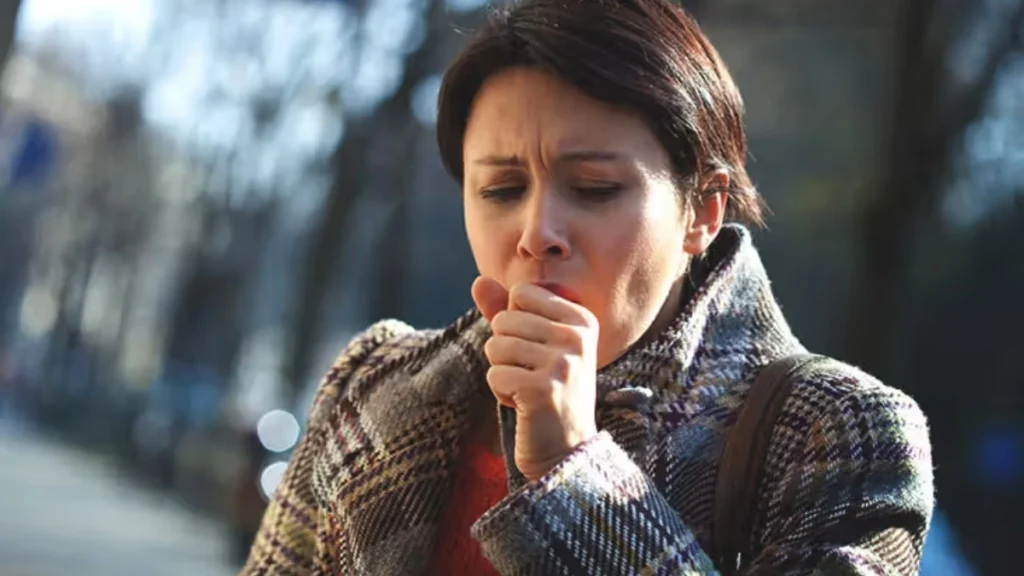
In relationships and at work, we often have to be in close proximity to each other. In such situations, this small precaution can protect the entire family from illness. Therefore, focus on virus prevention, not cold water.
Frequently Asked Questions (FAQs)
Question: Should you avoid drinking cold water during a cold?
Slightly cold water may increase discomfort, but it doesn’t worsen the illness. It’s best to drink lukewarm water to soothe the throat.
Question: How long does a cold last?
Most colds resolve within 3 to 7 days. If symptoms worsen or a high fever persists, you should consult a doctor.
Question: Is medication necessary for a cold?
Medications for viral infections are given only to alleviate symptoms. The body fights the virus and recovers.
Disclaimer: This article is for general information only. For any health problems or persistent symptoms, please consult a doctor or specialist.