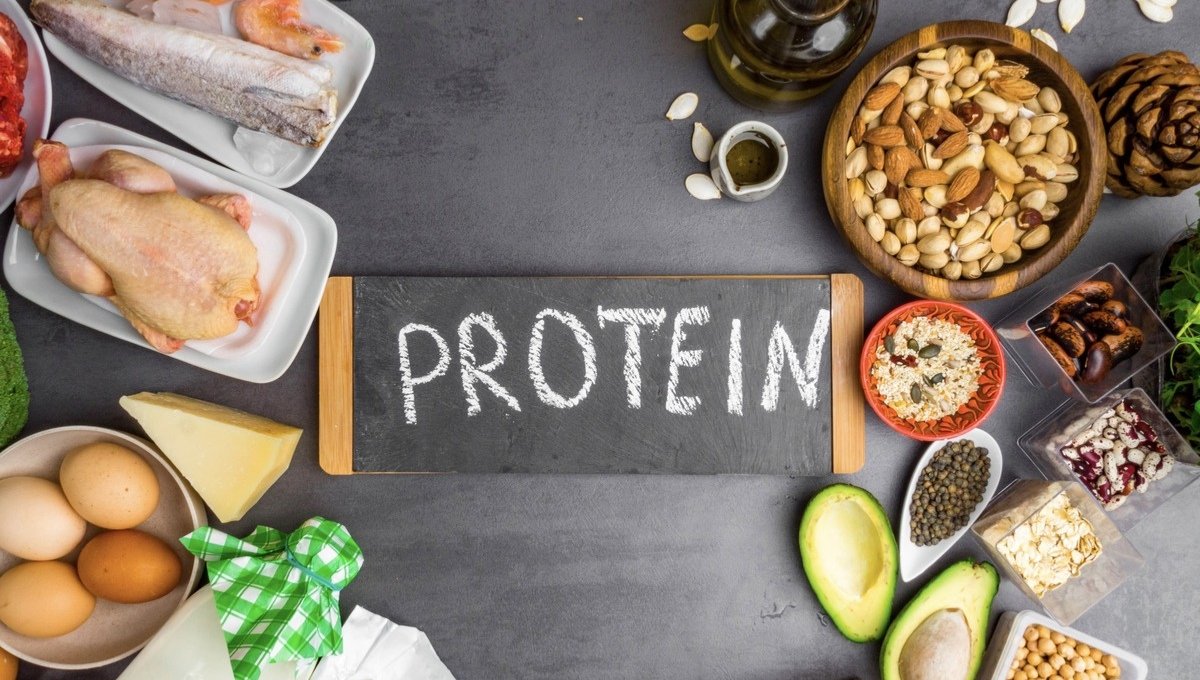
Power of Protein: It’s hard to describe how important protein is to our health. It helps build, repair, and maintain muscle, as well as manage weight and produce hormones and enzymes. Dr. Shuchin Bajaj, Founder Director, Ujala Cygnus Group of Hospitals, explains that adequate protein intake provides the body with essential amino acids, which are crucial for our survival.
“While animal-derived proteins like chicken, fish, and eggs are excellent sources, plant-based sources like pulses, tofu, and quinoa are equally effective. Consuming a variety of proteins provides the body with all the essential amino acids necessary for muscle growth and health,” he said.

The Power of Protein: How much protein can the body absorb properly

Dr. Deepak Bhangale, Consultant Gastroenterology and Liver Transplantation at Kokilaben Dhirubhai Ambani Hospital, explained that our bodies can absorb protein, but the real question is which portion is most effective for muscle building. Research shows that approximately 0.3–0.4 grams of protein per kilogram per meal (approximately 20–40 grams) is most beneficial for muscle growth. Including this in 3–4 separate meals a day can achieve the daily target of 1.6 grams per kilogram.
“Even large protein intakes are not wasted. They are used for muscle repair, energy, and other bodily needs,” he explained.
The Power of Protein: The Right Way to Increase Protein Absorption
According to Dr. Bhangale, protein intake should be evenly distributed throughout the day to ensure proper absorption. Choosing high-quality protein sources (such as milk, eggs, fish, chicken, or mixed plant-based proteins) and including 2.5–3 grams of leucine at each meal is essential for muscle building. Resistance exercise, proper rest, and adequate meal spacing are also essential.

The Power of Protein: Common Mistakes in Protein Absorption
Dr. Bhangale explains that most people consume most of their protein at dinner, rely solely on low-quality plant-based proteins, or older adults may not consume adequate amounts. Furthermore, people with prolonged fasting, digestive disorders, or chronic illnesses may need a special plan.
“Excess protein is not absorbed. It is simply used differently by the body. Balanced distribution and exercise are what make protein truly effective,” he said.
The Power of Protein: The Importance of Balanced Protein

Adopting a strategic meal plan should ensure protein intake is evenly distributed throughout the day. Including protein at every meal and snack ensures better utilization of amino acids and proper digestion. Dr. Bajaj cautioned that excessive protein intake can put pressure on the kidneys and cause nutrient imbalances. “A balanced diet is key. A maximum of 2.2 grams of protein per kilogram of body weight is sufficient.”
Disclaimer: This article is for general information purposes only. Please consult your doctor or nutritionist before making any health or dietary changes.