For a long time, there were no medicines or chemical supplements in India. Back then, our elders relied on grains like ragi, which provided generations with strong bones, a calm mind, and steady energy. Times have changed, but the importance of ragi remains as profound today. This small, nutrient-rich grain has now become a superfood, nourishing both the body and the soil.
Today, ragi can be easily consumed by people of all ages. It contains calcium, iron, fiber, potassium, zinc, magnesium, and essential amino acids. This is why ragi is used in a variety of recipes, such as ragi dosa, roti, kheer, upma, and porridge.

Why is ragi special: Doctors’ view of its significant benefits

Dr. Adrita Banerjee (MD), Consultant Physician at Godrej Memorial Hospital, believes that ragi has the potential to naturally replenish calcium deficiencies in the body. According to her, ragi not only strengthens bones, but also helps control blood sugar, aid weight loss, manage high blood pressure, and reduce the risk of heart disease.
Dr. Banerjee says that ragi is gluten-free, making it safe for those with gluten or dairy sensitivities. The easiest way to include it in your diet is through ragi flour, which can be used to make dosa, idli, roti, or porridge.
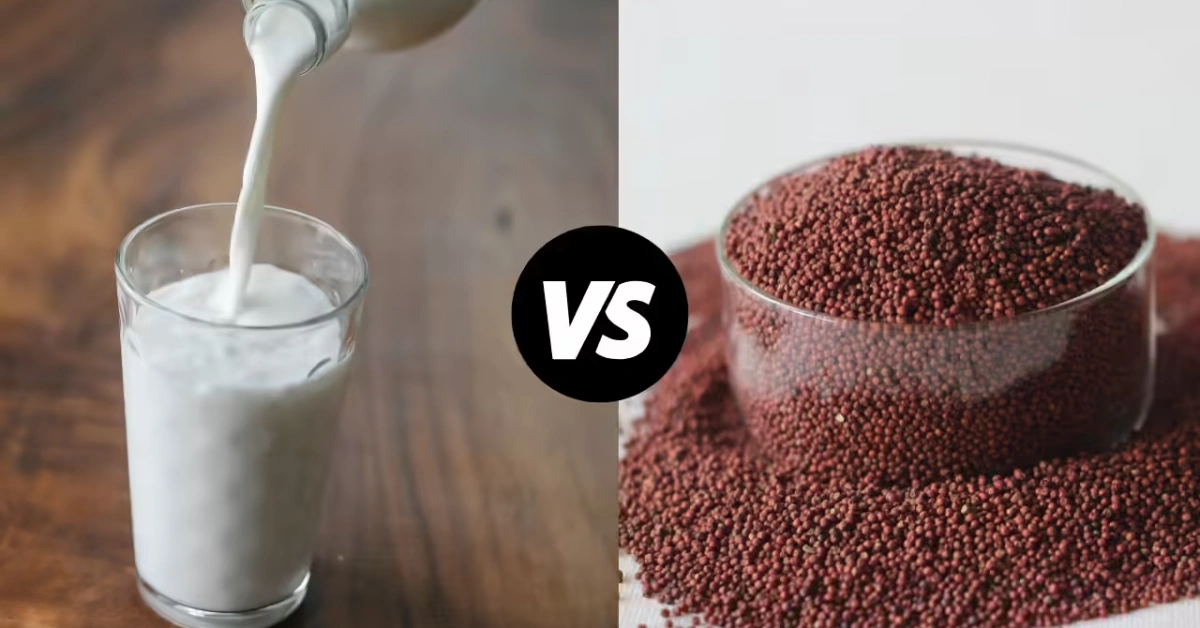
Calcium supplements vs. ragi: Which is more beneficial?
Chennai-based nutritionist Meenu Balaji explains that ragi contains approximately 340 mg of calcium per 100 grams, making it an excellent plant-based source of calcium. However, the phytates and oxalates present in ragi slightly reduce calcium absorption.

According to her:
- The body absorbs approximately 73–104 mg of calcium from 100 grams of ragi.
- Whereas a 500 mg calcium tablet can provide the body with 155–200 mg of calcium.
- This means that while ragi is nutritious, it doesn’t provide as much calcium as supplements. This is why supplementation can be beneficial if you need a lot of calcium.
What’s right for women after menopause?
Meenu Balaji explains that in India, the calcium requirement of post-menopausal women increases to 800 mg per day. Decreasing estrogen levels at this age rapidly weaken bones and increases the risk of osteoporosis. Therefore, it becomes difficult to get enough calcium daily from food alone.
Therefore, experts believe that while including ragi in your diet is beneficial during this period, relying solely on ragi is not right. Taking a calcium supplement is a better option if needed.
Why is ragi important every day?

Including ragi in your daily diet has many benefits. It is good for digestion, stabilizes blood sugar, and provides long-lasting energy. Nutritionist Balaji says that ragi should be included in your diet, but it should not replace other essential nutrients. A balanced diet is the key to true health.
FAQs (Frequently Asked Questions)
Q1. Can ragi be eaten daily?
Yes, ragi can be eaten daily, as it is a light, nutritious, and energy-giving grain.
Q2. Is ragi safe for children?
Absolutely. Ragi is considered good for children’s bones and immunity.
Q3. Is ragi good for people with diabetes?
Yes, ragi has a low glycemic index, so it helps control blood sugar.
Q4. Can ragi replace dietary supplements?
Ragi is nutritious, but supplements may be needed if you need a lot of calcium.
Q5. Is ragi heavy to digest?
Some people may find ragi heavy. Therefore, it is best to start with small quantities.
Disclaimer: This article is for general information purposes only. Always consult a doctor or specialist before making any health-related decisions or taking supplements.