Pradhan Mantri Kaushal Vikas Yojana: In a young country like India, its youth is its greatest strength. If they receive the right guidance and training, they can transform the country’s economic landscape. To achieve this vision, the government launched the Pradhan Mantri Kaushal Vikas Yojana (PMKVY). However, some recent irregularities have brought the scheme back into the spotlight. The Ministry of Skill Development has blacklisted 178 training partners to ensure transparency and effectiveness.
What is the Pradhan Mantri Kaushal Vikas Yojana?
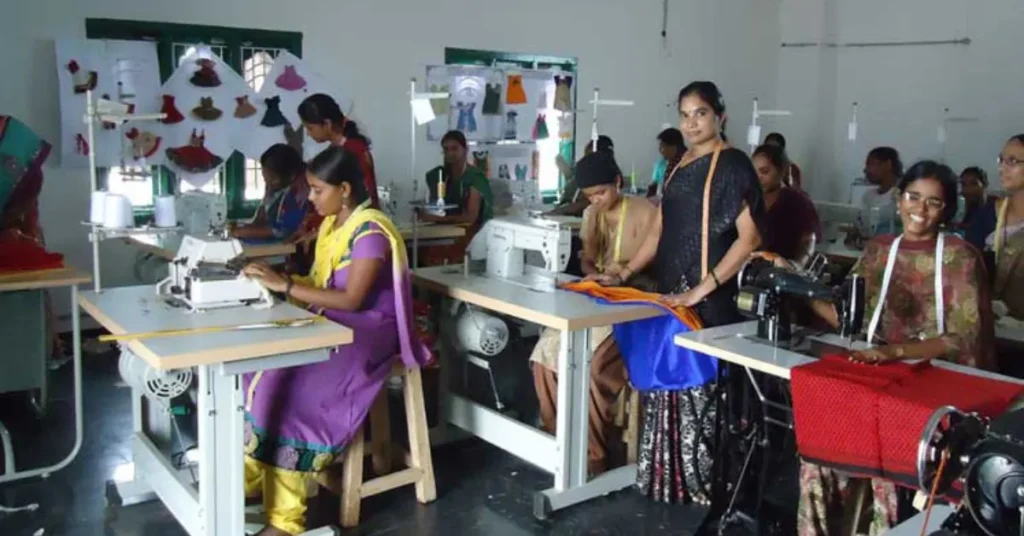
The Pradhan Mantri Kaushal Vikas Yojana was launched in 2015. Its primary objective is to train young people in industry-relevant skills, making them employable. The scheme is implemented by the National Skill Development Corporation (NSDC) in collaboration with various partners.

Under this scheme, young people are trained according to their interests and abilities to become self-reliant and earn a better living. This program not only develops technical skills but also self-confidence and a professional attitude.
Eligibility and Application Requirements
Indian citizens between the ages of 14 and 35 can benefit from the Pradhan Mantri Kaushal Vikas Yojana. This scheme is specifically for those who are unemployed or engaged in low-income jobs. People from any educational background can apply, even those who have not completed formal education. Aadhaar card is mandatory for application.
Key Features of the Scheme
The most significant feature of this scheme is that the curriculum is designed in consultation with industry experts so that the training is fully aligned with market needs.

Short-term training programs allow candidates to quickly learn new skills. Additionally, those who are already skilled in a particular field are awarded a certificate under the ‘Recognition of Prior Learning’ program, formally recognizing their experience. After completing the training, candidates are also provided with job placement assistance so they can utilize their acquired skills.
Recent News Related to the Scheme
लाखों लोग प्रधान मंत्री कौशल विकास योजना से जुड़ कर हुनर पा रहे है। आप भी जुड़िये SkillIndia के साथ। Watch now:- https://t.co/6mJ3pKJFlP
— PMKVY (@PMKVY_) June 6, 2016
Recently, some irregularities were discovered in the implementation of the scheme, leading the government to take strict action. 178 training partners have been blacklisted to ensure that beneficiaries receive proper training and facilities. This step is an important step towards maintaining the credibility and quality of the scheme.
Overview of Pradhan Mantri Kaushal Vikas Yojana (PMKVY)
| Details | Information |
|---|---|
| Scheme Name | Pradhan Mantri Kaushal Vikas Yojana (PMKVY) |
| Launched By | Government of India |
| Launch Year | 2015 |
| Implementing Agency | National Skill Development Corporation (NSDC) |
| Objective | To provide industry-relevant skill training to empower youth and make them employable |
| Eligibility | Indian citizens aged 14 to 35 years, especially unemployed or underemployed individuals |
| Training Type | Short-term courses and Recognition of Prior Learning (RPL) |
| Key Features | Industry-driven curriculum, certified training, placement assistance |
| Recent Update | 178 training partners blacklisted for irregularities to ensure transparency |
| Beneficiaries | Unemployed youth from diverse educational backgrounds |
| Official Website | https://www.pmkvyofficial.org |
Frequently Asked Questions (FAQs)
Question 1: What is the main objective of the Pradhan Mantri Kaushal Vikas Yojana?
Answer: It aims to make youth employable by providing them with industry-based skill training.
Question 2: Who can apply for this scheme?
Answer: Indian citizens between the ages of 14 and 35 who are unemployed or underemployed can apply.
Question 3: Is there a job guarantee after training?
Answer: Under the scheme, candidates are assisted in finding employment, but there is no job guarantee.
Question 4: Which sectors are covered under the scheme?
Answer: This includes various sectors, including IT, healthcare, automobile, retail, construction, and electronics.
Disclaimer: The information provided in this article is based on various government and reliable sources. Readers are requested to consult the official website or the relevant department for the latest information before applying or making any decisions.