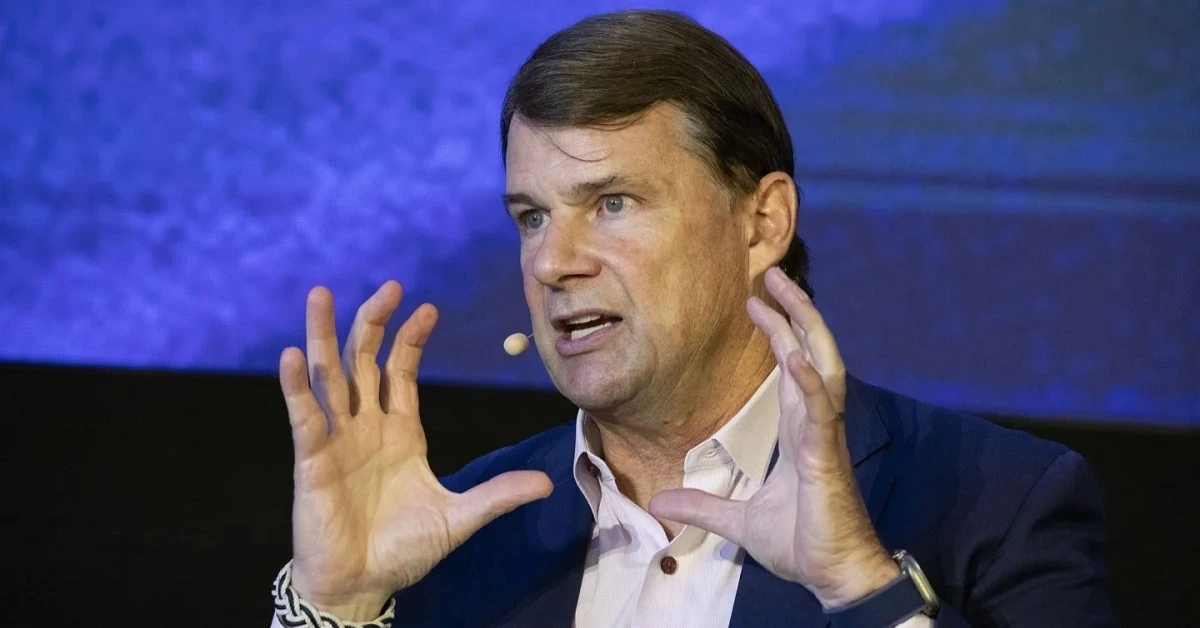
H-1B Visa Fee Hike: Today times have become challenging for the American automobile industry. Even large companies like Ford Motor Company are struggling to fill the skilled workforce needed for their operations. US President Donald Trump’s recent decision to increase H-1B visa fees has become a major factor in this crisis.
Skilled labor shortage in the US exacerbates companies difficulties

The change in H-1B visa policy has led to a decline in the number of skilled workers in the US. Companies like Ford Motor Company are now facing difficulty finding qualified employees with high-tech skills and experience. Jim Farley stated in a recent interview that this situation is a warning sign. Salaries offered in the US are up to $120,000, which is nearly double the average American salary, yet filling vacant positions is proving challenging.

Over 1 million vacant positions reflect the severity of the US labor market
| Category | Details |
|---|---|
| Policy Change | H-1B visa fee increase by Trump administration |
| Affected Sector | Skilled labor in automotive and other industries |
| Company Highlight | Ford Motor Company |
| Vacant Positions | 5,000 mechanic roles at Ford |
| Salary Offered | Up to $120,000 per year (approximately double average US wage) |
| Impact on Recruitment | Difficulty in filling high-skilled positions despite high salaries |
| Broader Labor Market | Over 1 million critical jobs vacant across US industries |
| Affected Roles | Mechanics, electricians, plumbers, factory workers, emergency services, craftsmen |
| CEO Statement | Jim Farley called the situation a “warning” for US labor market |
| Overall Effect | Increased operational pressure on companies and shortage of skilled workforce |
| Potential Consequence | Impact on production, services, and long-term economic growth |
| Suggested Solution | Balanced visa policies to attract foreign skilled workers |
Ford CEO Jim Farley didn’t limit this crisis to his company alone. He stated that more than 1 million critical positions in the US are vacant. These include factory workers, trucking, electricians, plumbers, artisans, and emergency services. This indicates that the problem is widespread and not limited to the automobile industry. The shortage of skilled workers has begun to put pressure on many parts of the US economy.
🚨President Trump just made it much harder for U.S. companies to hire foreign workers over American citizens.
— Commentary 🇺🇸 Tom Homan (@HomanNews) November 5, 2025
He also raised the H-1B visa fee — from $1,000 to $100,000! 💥
Do you support this move to put Americans first?
A. ✅ YES — Hire American, Build American
B. ❌ NO —… pic.twitter.com/finLgFPnzG
H-1B Visa Fee Hike and Its Impact
The increase in H-1B visa fees has made it more difficult for companies to attract skilled workers. This fee increase is reducing the number of foreign skilled workers. As a result, companies are not only having to spend more time and effort finding employees, but are also finding it difficult to fill vacant positions even when offering higher salaries. This situation is having a serious impact on the US labor market and economic activity.

The Challenge for Ford and the Message for the Industry
The example of Ford Motor Company clearly demonstrates that the shortage of skilled workers is impacting both industry operations and productivity. Jim Farley stated that this situation is not just a challenge for Ford, but a warning for the entire US industry. Companies must now consider how to retain their employees and attract new talent. This also sends an important message for the US labor market.
The US Economy and Future Challenges
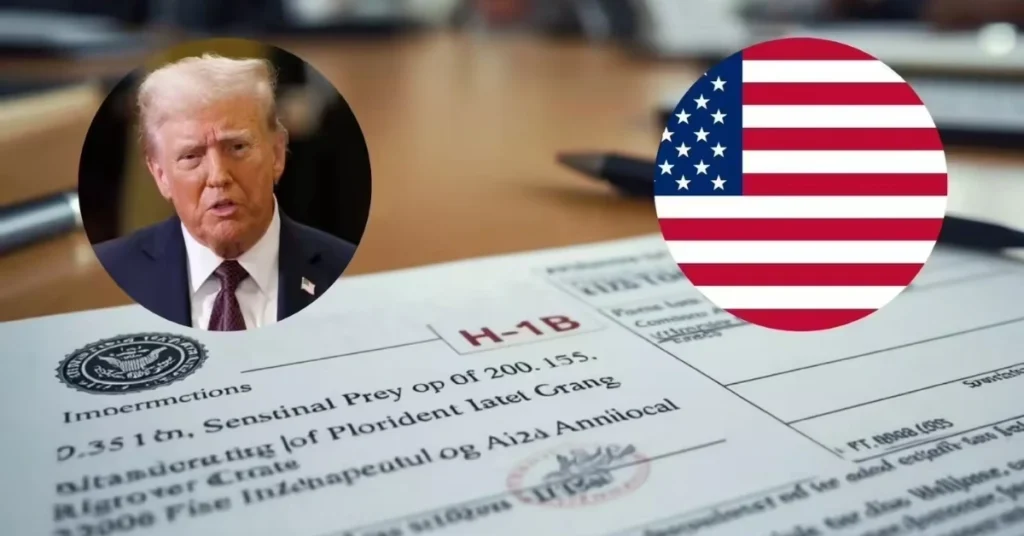
If this problem is not resolved soon, US industries could face long-term consequences. The shortage of skilled workers could impact production, services, and growth. Furthermore, this situation could put pressure on wages and the employment market. At this time, policy changes and a balance in visa policies are essential to attract foreign skilled workers and ensure that industries do not face any disruptions in their operations.
FAQs: H-1B Visa Fee Increase and US Skilled Worker Shortage
Q1. What caused the skilled worker shortage in the US?
The Trump administration increased H-1B visa fees, reducing foreign skilled labor availability.
Q2. How is Ford Motor Company affected?
Ford struggles to fill 5,000 mechanic positions despite offering salaries up to $120,000.
Q3. Which sectors are most impacted by the H-1B visa fee hike?
Automotive, construction, emergency services, and other skilled labor sectors are heavily affected.
Q4. What roles are hardest to fill?
Mechanics, electricians, plumbers, factory workers, craftsmen, and emergency service roles.
Q5. Why are companies offering high salaries still facing shortages?
Limited skilled foreign workers and fewer visa approvals make recruitment challenging.
Disclaimer: This article is for informational purposes only. The information provided is based on news and reports. Please consult a relevant expert before making any economic or visa-related decisions.