Daughter-Sister Scheme: The Maharashtra government’s flagship welfare initiative, the Majhi Ladki Bahin Yojana, has seen significant growth in just one year. Launched in July 2024, the scheme has reportedly incurred expenditures of approximately ₹43,045 crore in its first year. This amount significantly exceeds the initial estimates, and the increase has highlighted the impact on the government’s treasury and other programs.
Daughter-Sister Scheme: Scheme Expansion and Financial Pressure

The scheme has become Maharashtra’s second-most expensive program in terms of expenditure, after the Education Department. The state has allocated ₹36,000 crore for the scheme in the upcoming year, 2025–26, but monthly expenditures in the previous year far exceeded this budget—average monthly expenditures were approximately ₹3,587 crore. This high expenditure has challenged the government’s fiscal balance and raised questions about whether budgets are being diverted from other departments.
Daughter-Sister Scheme: What does the government say, and what are the concerns?
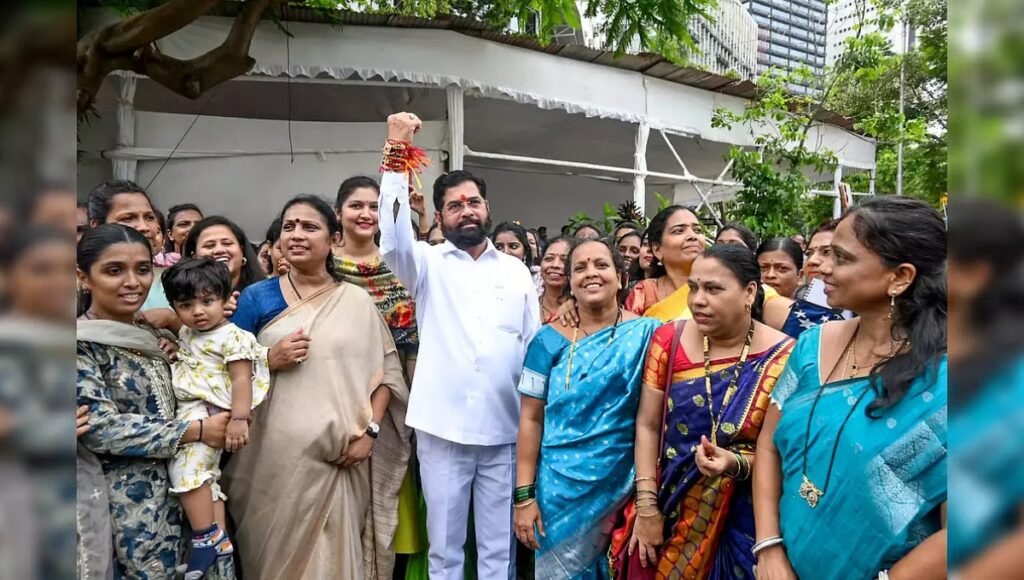
The government has promised to continue the scheme, but experts have indicated that if the number of beneficiaries is not substantially reduced or the verification process is not tightened, state revenues will be further strained. Opposition parties and analysts say such high-level spending could limit resources available to critical departments like health, police, or agriculture.
The “Majhi Ladki Baheen” scheme has taken a significant step toward providing financial assistance to women and instills hope in society. However, its financial obligations have now become so significant that it is necessary to seriously examine its long-term impact, transparency, and impact on other social programs. Thus, this is not just an initiative, but a challenge that the government must address with a balanced approach.
Disclaimer: This article is based on information available in public sources. No statements in this article constitute legal or financial advice. The actual cost of the scheme, budget provisions, and beneficiary numbers may change from time to time.