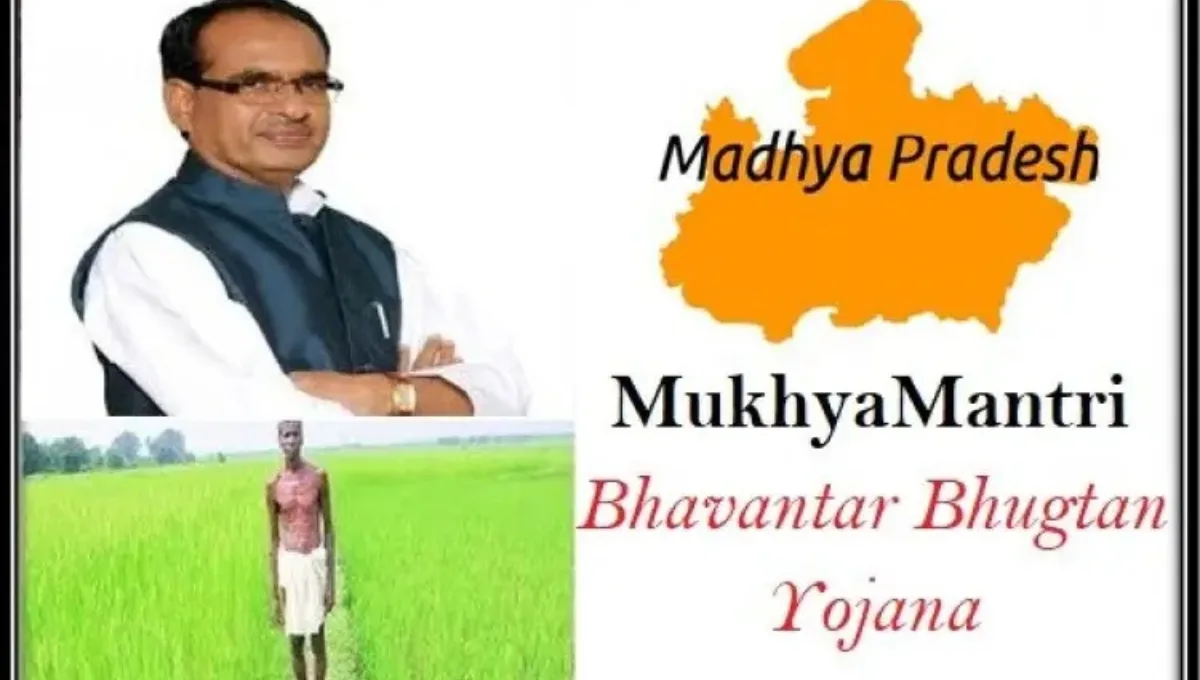
Bhavantar Scheme: Under this scheme, if the selling price of soybean falls below the Minimum Support Price (MSP), the state government will transfer the fixed amount directly to the farmer’s account. This scheme not only serves as a safety net but also provides farmers with confidence.
Farmers in Manawar have expressed clear enthusiasm over this decision. Previously, many farmers faced losses after selling their produce, but now they see hope that their hard work will be repaid fairly, reducing the worry of migration or debt.

Bhavantar Scheme: How is this move beneficial for farmers?

Soybean cultivation is a major source of income in Madhya Pradesh. However, falling market prices often result in losses for farmers. The Bhavantar Yojana assures farmers that if the selling price of their produce falls below the MSP, they will be compensated. For example, if the MSP is ₹5,328 per quintal and the farmer sells his produce for ₹3,600 per quintal, the government will pay the difference.
The government began the registration process for this scheme on October 3, 2025, and the selling period began on October 24, 2025. The target is to transfer payments to farmers’ bank accounts within 15 days.
Bhavantar Scheme: Impact in Manawar

The registration of over 2,000 farmers in Manawar has instilled confidence in the local agricultural environment. This indicates that awareness about this scheme is growing among farmers. Farmer groups have also become active in the mandis and are preparing to ensure timely payments and fair profits based on the quality of their produce.

However, some farmers have also expressed the need for improvement. He stated that the registration period, produce quality criteria, and payment process need to be simplified to avoid profit erosion.
The Price Difference Payment Scheme has opened a path of comfort for farmers in Manawar and surrounding areas. One that values their hard work and protects them from financial insecurity. If implemented in a timely and transparent manner, it will not only alleviate farmers’ hardships but also strengthen the agricultural and economic situation of the entire region.
Disclaimer: This article is based on public sources and media reports. Readers are advised to check the latest information from the government website or the relevant department.