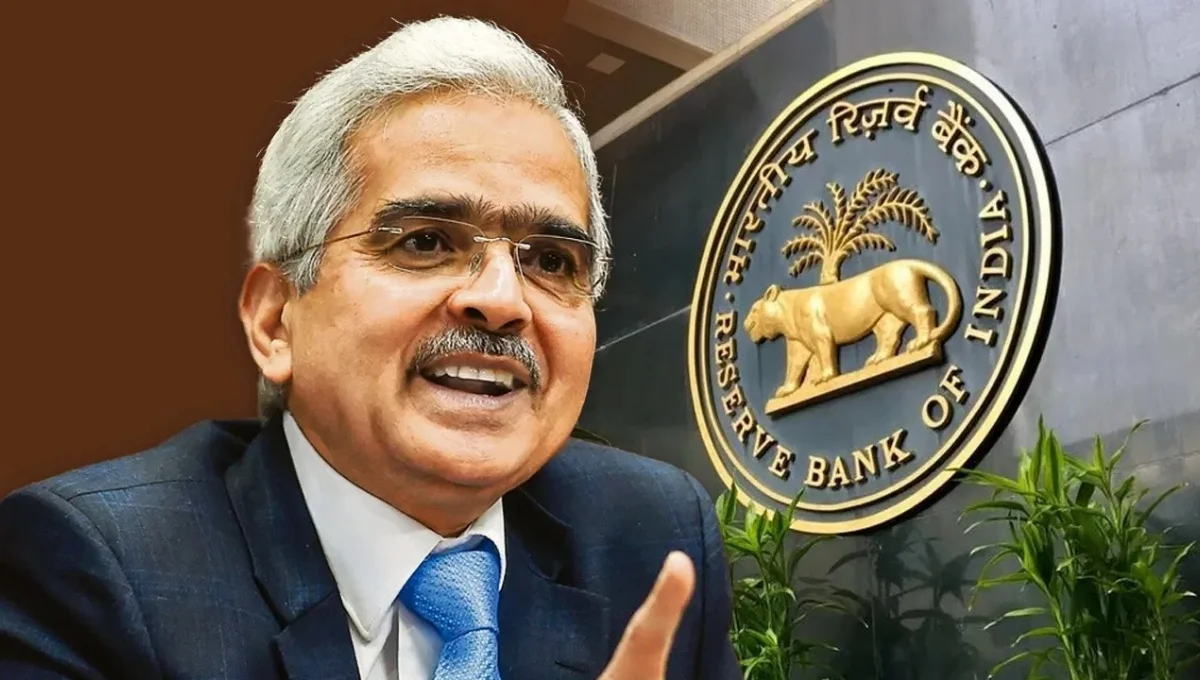
RBI Forecast: Many questions have been raised this year about the Reserve Bank of India’s (RBI) monetary policies. Experts believe that despite actual inflation consistently falling below RBI estimates, the bank adopted an overly tight policy and kept interest rates high.
While falling food prices led to a clear decline in the CPI, there was no decisive policy change. This has led many economists to question whether RBI forecasts can now be trusted.

RBI Incorrect Forecasts and High Interest Rates
| Topic | Details |
|---|---|
| Article Title | RBI Questions Raised: Why Are Interest Rates High Despite Falling Inflation? |
| RBI Forecast Issue | RBI’s inflation predictions repeatedly overestimated actual inflation. |
| Actual vs Predicted | Start of the year: Actual inflation 0.7% lower than RBI estimate. |
| High-Interest Rate Impact | Elevated rates slow investment and consumer spending. |
| October Inflation | Food prices fell due to good rainfall and improved supply chain. |
| Economic Advice | Experts suggest rate cut to boost economy and employment. |
| Future Outlook | RBI expected to consider more balanced policy in December meeting. |
| Disclaimer | Article is for informational purposes; consult experts for financial decisions. |
The RBI’s inflation forecast at the beginning of the year was approximately 0.7 percentage points higher than the actual figures. This was the largest difference in the last six years.
The RBI’s forecasts also fell short in the next two quarters of the year. Economists believe that due to repeated inaccurate forecasts, the RBI has exercised excessive caution, which is why it kept interest rates high. Many experts also warn that if future forecasts continue to be incorrect, the RBI’s credibility could be affected.
October Fall in Inflation and the Impact of Food Prices
Food prices fell significantly in October. Good rains and improved supply chains led to a decline in the prices of grains, vegetables, and other essential commodities.
Since food accounts for nearly half of the CPI, its impact on overall inflation was clearly visible. Many economists believe that the RBI should have decided to reduce interest rates when inflation was so low. This could have accelerated the country’s economy.
Impact of High Interest Rates on Investment and Spending
According to economists, high interest rates impact investment and spending. When inflation is low and interest rates are high, the risk of a slowdown in banking and business activities increases.
This increases pressure on both the public and industry. Experts are suggesting that an interest rate cut is likely at the RBI meeting in December. If a cut occurs, the economy will receive some relief and investment will increase.
Impact of RBI Policies on the Public
These RBI decisions affect not only the market but also the pockets of the public. Despite low inflation, high interest rates prove costly for borrowers. Home loans, vehicle loans, and corporate financing are all affected.
Many economists believe that if the RBI had improved interest rates in a timely manner, both the country’s economic growth and employment opportunities could have increased.
The Way Forward and Expert Advice
In this entire scenario, one thing is clear: all eyes are on the RBI predictions and decisions. Both experts and the general public are hoping that the bank will adopt a more balanced policy in its December meeting, taking into account the current economic situation. Signs of declining inflation and measures to boost investment are the urgent need of the hour.
FAQ
Q1: Why are interest rates still high despite low inflation?
A1: RBI kept rates high despite lower actual inflation.
Q2: How much was the inflation forecast off?
A2: Approximately 0.7% lower than RBI’s predicted value.
Q3: What caused lower inflation in October?
A3: Food prices dropped due to good rainfall and better supply.
Q4: Should RBI reduce interest rates now?
A4: Experts suggest a rate cut to boost economic growth.
Q5: When will RBI decide on the next policy move?
A5: The December meeting is expected to review interest rates.
Disclaimer: This article is for informational and educational purposes only. It is essential to seek expert advice before making any financial decisions related to interest rates and RBI policies.