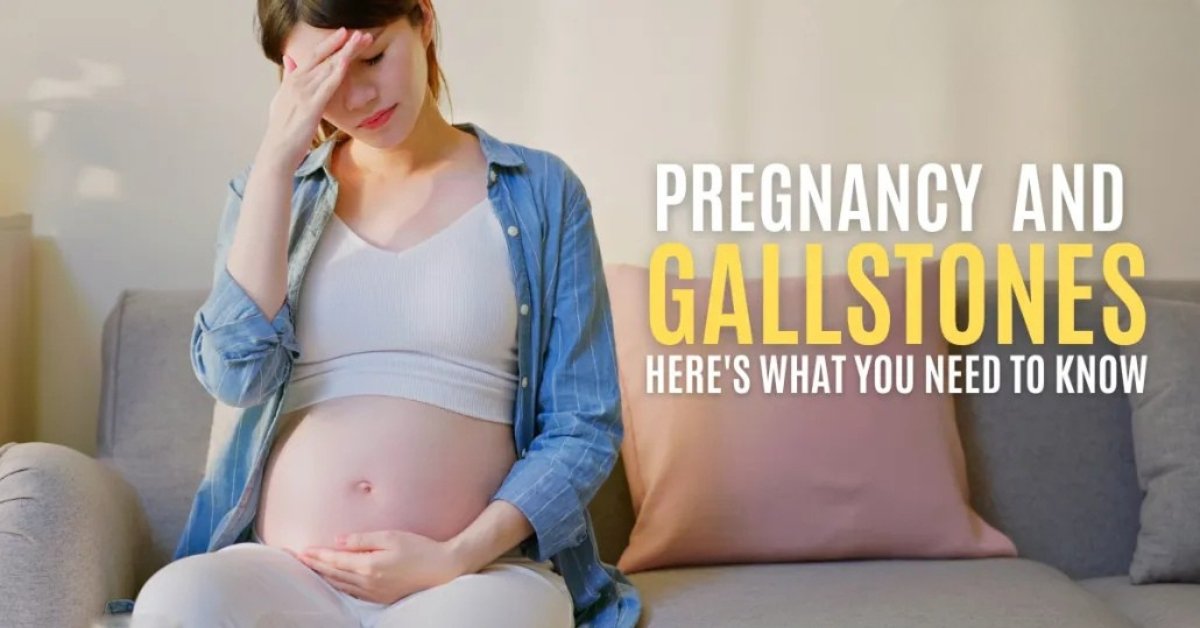
Motherhood: For any woman, being a mother is an amazing event, but it also causes several physical changes. These alterations might occasionally be so significant that they result in health issues. Gallstones are becoming more common among postpartum women, according to a new analysis by nutritionist Amita Gadre. She said on Instagram that she had treated six people with gallstones in the previous month.
One of the main causes is hormonal changes.

After giving birth, women’s bodies undergo hormonal changes that slow down the gallbladder’s emptying process, according to Amita Gadre. Women frequently eat a diet heavy in ghee, butter, and oil at this time, which raises the chance of gallstone development even more.

She added that many women attempt rapid weight loss after giving baby, but often ignore veggies and fiber in favor of cutting sugar. This also turns into a significant factor in the development of gallstones.
Motherhood: Expert advice is to gradually lose weight.
This issue becomes very prevalent after childbirth, according to Dr. Nisha, a nutrition and lactation specialist at Motherhood Hospitals in Gurugram. She claims that the body’s levels of progesterone and estrogen rise during and after pregnancy, which has an impact on the gallbladder’s ability to operate. As a result, bile is eliminated more slowly and cholesterol levels rise, which eventually causes stones to develop.
Many new mothers lose weight quickly after giving birth, according to Dr. Nisha. This alters bile’s composition and raises the possibility of developing stones. After consuming greasy foods, women frequently feel symptoms including nausea, vomiting, upper abdominal pain, or discomfort.

Do all gallstones pose a risk?
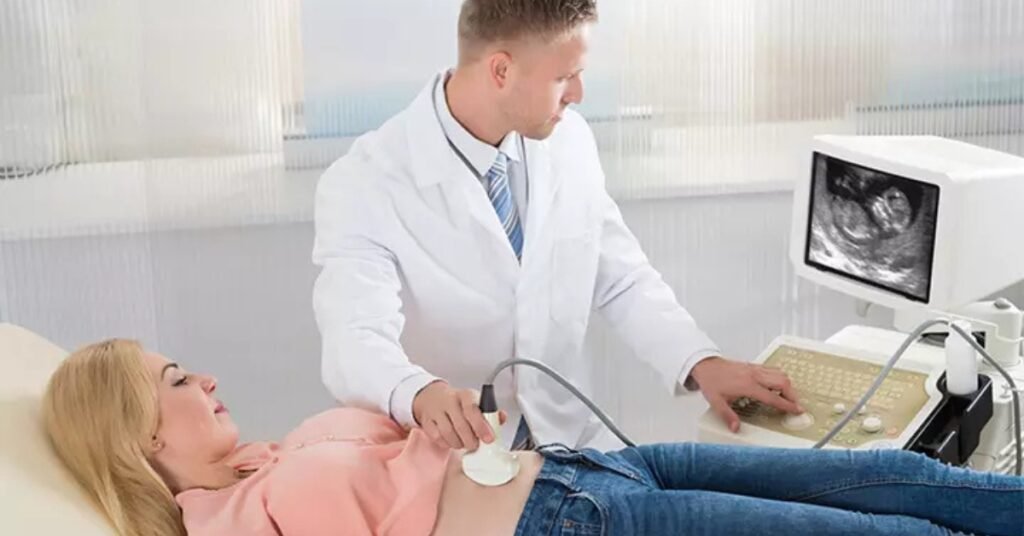
Not all gallstones exhibit symptoms, Dr. Nisha clarified. They can sometimes stay in the body for years without creating any issues. However, the problem can worsen if they get infected or inflamed. As a result, after giving birth, women should pay particular attention to their nutrition and way of life.
This issue can be avoided with a balanced diet, adequate hydration, moderate weight loss, and frequent exercise.
F&Q: Frequently Asked Questions
Q1: Can every woman develop gallstones after delivery?
No, but hormonal changes and an unbalanced diet can increase the risk.
Q2: What are the main symptoms of gallstones?
Upper abdominal pain, nausea, vomiting, and a feeling of heaviness after oily foods are the main symptoms.
Q3: Can women eat ghee or oil after delivery?
Yes, but in limited quantities. Excessive consumption of ghee, butter, or oil increases the risk of gallstones.
Q4: What can be done to prevent gallstones?
Eat a balanced diet, increase your intake of fiber and vegetables, drink enough water, and avoid sudden weight loss.
Disclaimer: The information provided in this article is based on the recommendations of various nutritionists and health experts. Always consult your doctor or specialist before undertaking any health concerns or treatments.