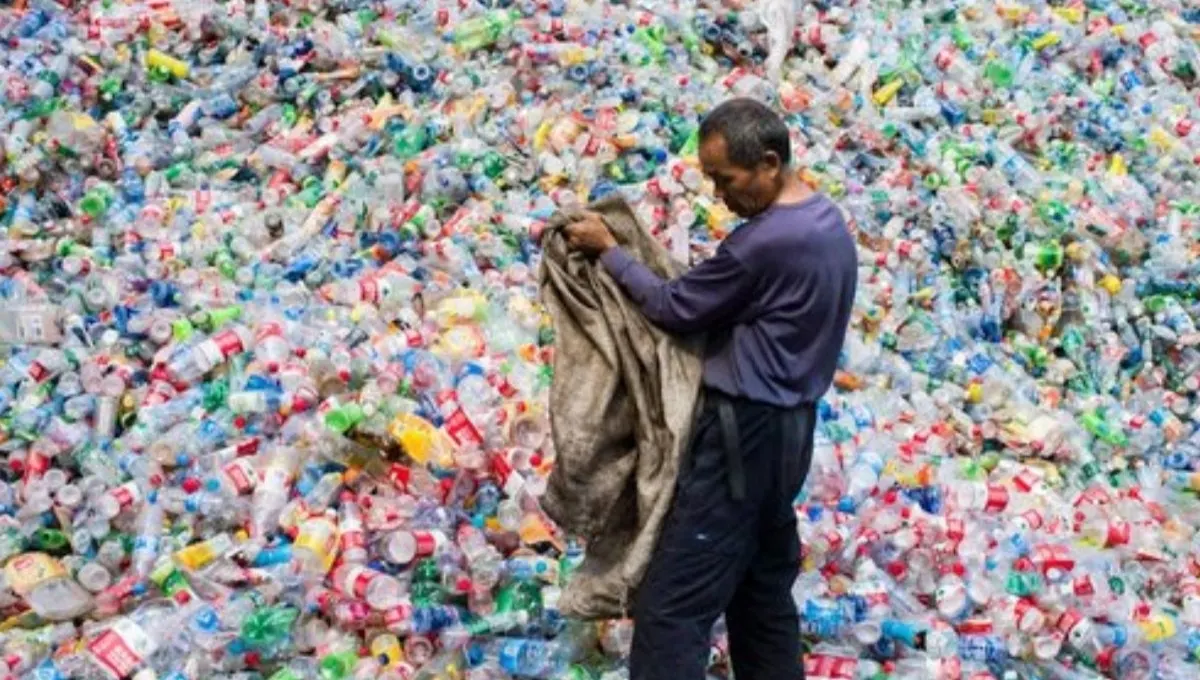
Recycling Industry: India recycling industry is currently facing a serious crisis. While the country claims to be rapidly moving towards a green economy and sustainable development, the GST structure has crippled the industry. This sector, once a protector of the environment, is now entangled in a web of economic pressures and policy inconsistencies.
GST rates exacerbate the difficulties of the recycling industry
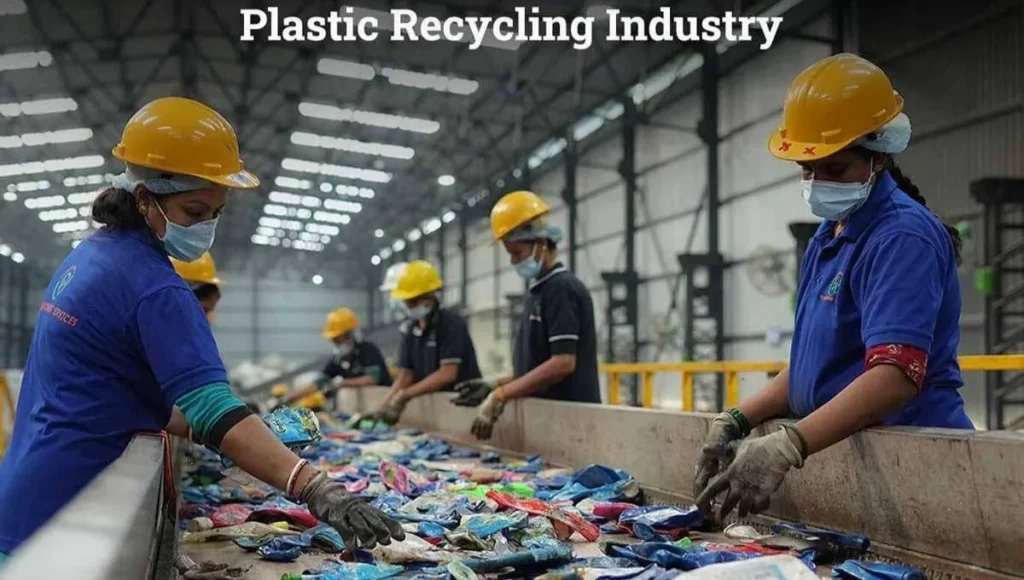
The biggest problem facing the recycling industry is the imbalance in GST rates. While PET (Polyethylene Terephthalate) scrap is subject to an 18 percent GST, recycled PET fiber is taxed at only 5 percent. Due to this complex tax structure, recyclers are unable to recover the taxes they pay on their inputs from their outputs. This directly impacts the MSME sector, where the capital of small units is trapped in the form of input tax credit (ITC).

CSE Report Reveals Sobering Truth
The Centre for Science and Environment’s (CSE) 2025 report, “Relax the Tax,” reveals the true state of the recycling industry. According to the report, informality dominates India’s recycling sector, accounting for 95% of paper and glass, 80% of plastic, 90% of e-waste, and 65% of metals.
This informality is costing the government approximately ₹65,300 crore in potential GST revenue each year. Meanwhile, formal recycling generates only ₹30,900 crore in tax collections. The report also states that by 2035, the country could receive additional revenue of up to ₹1.8 lakh crore if the GST structure is reformed and solid waste management is improved.
Impact on both the Environment and the Economy
The recycling industry plays a vital role not only economically but also environmentally. This industry converts waste into resources, reducing pollution and saving energy. However, when this sector is burdened by tax policies, it directly impacts the country’s environmental policy.

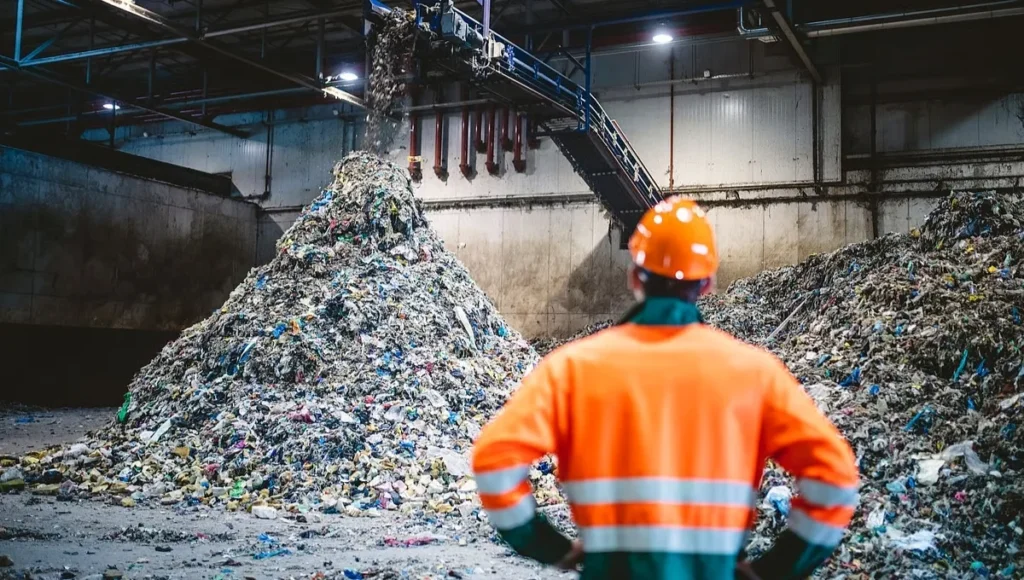
India must view its recycling industry as an opportunity, not a burden. Reforming GST policies can not only provide relief to MSMEs but also give a new direction to the country’s green development policy. If the government does not make timely reforms, this industry will continue to oscillate between environmental responsibility and economic survival.
Disclaimer: The information provided in this article is based on a report by the Centre for Science and Environment (CSE) and data obtained from the industry. This is for informational purposes only and should not be construed as financial or policy advice.