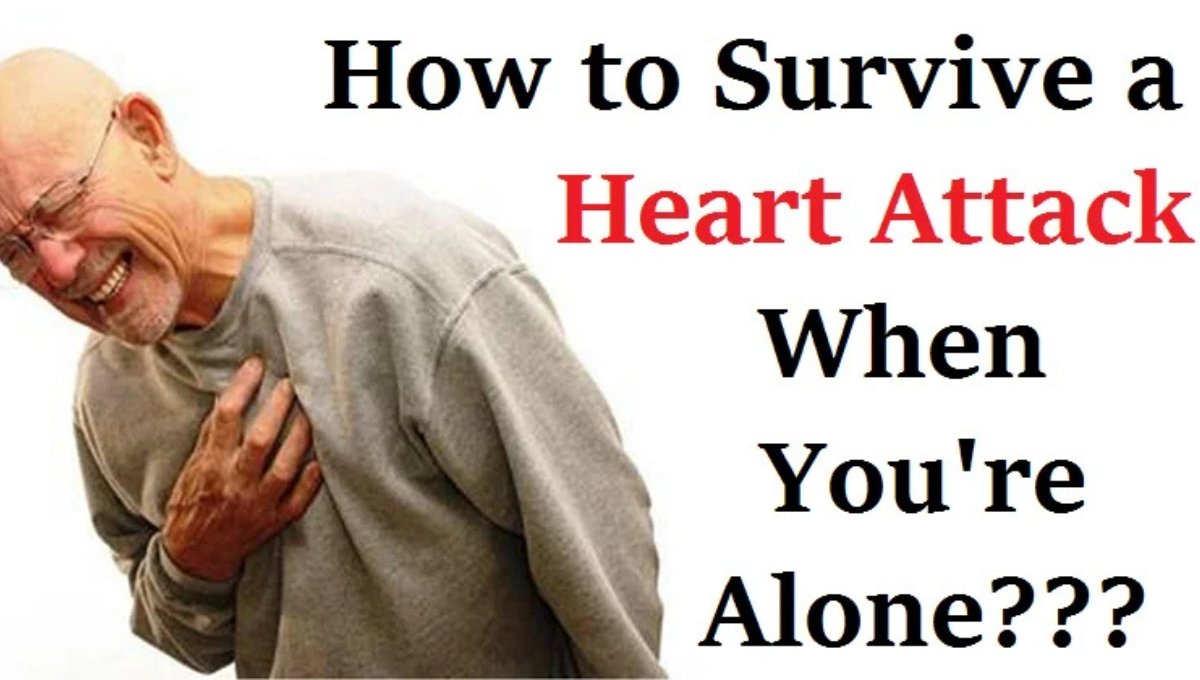
Sudden Heart Attack: Have you ever considered that a sudden heart attack can happen at any time, to anyone, or even alone? According to data collected between 2024 and 2025, nearly half of sudden heart attack deaths occurred when the person was alone and emergency help was not available in time. Given this vulnerability, taking timely and appropriate action is crucial to saving lives. We spoke to Dr. C.M. Nagesh, Honorary Secretary of the Indian College of Cardiology and Founder of Kardia Super Speciality Hospital.
Early Signs of a Heart Attack

According to Dr. Nagesh, the initial indications of a heart attack frequently manifest gradually. “About two-thirds of people experience warning signs before a major heart attack, especially while walking,” according to him. A sensation of constriction, weight, or pressure in the chest that lasts for a few minutes or fluctuates is one of the most typical symptoms. The jaw, shoulder, arm, or back may also experience this ache. Other common symptoms include nausea, dizziness, shortness of breath, and excessive perspiration.

These symptoms can differ, particularly in women and diabetics. Unusual symptoms including severe exhaustion, heaviness in the abdomen, or pain in the upper back may occur. Dr. Nagesh stresses that life can be saved by identifying these early symptoms and getting medical help right away.
How to handle being by yourself
If you think you might be having a heart attack, Dr. Nagesh advises contacting emergency personnel right away. He cautions, “Do not attempt to drive yourself,” Stay composed, find a comfortable posture to sit or lie down, and refrain from doing anything needless at this period.
Follow the directions on any nitroglycerin prescriptions you may have. Chewing a conventional aspirin can reduce blood clotting if you are not sensitive to it. To lessen panic and make it easier for rescue crews to find you, keep the door open and concentrate on deep, steady breathing.
Time Uncertainty
The interval between heart attack symptoms and a full-blown attack varies from person to person. For some, the disease can worsen in a matter of minutes, while for others, these symptoms might show up hours or days beforehand. Usually, 15 to 60 minutes prior to the beginning, chest tightness or widespread discomfort may manifest. Any unexpected or persistent chest pain should be considered as an emergency and treated right away because of this unpredictable period.
Disparities between Men and Women

Men and women may experience different symptoms, according to Dr. Nagesh. While women may feel nebulous symptoms like weariness, nausea, or pain in the neck, jaw, or back, men usually experience significant chest discomfort and pain in the left arm.
Women who experience these moderate symptoms frequently put off getting care, which can be harmful. However, everyone should follow the same course of action: call for assistance, stay motionless, and take aspirin if not allergic. During a heart attack, taking the proper actions can save lives. This is a safety measure for everyone, not just a matter of awareness.
Disclaimer: Dr. C.M. Nagesh wrote this essay, which was based on the medical reports that were accessible. The course of action may change based on each person’s symptoms and health status.