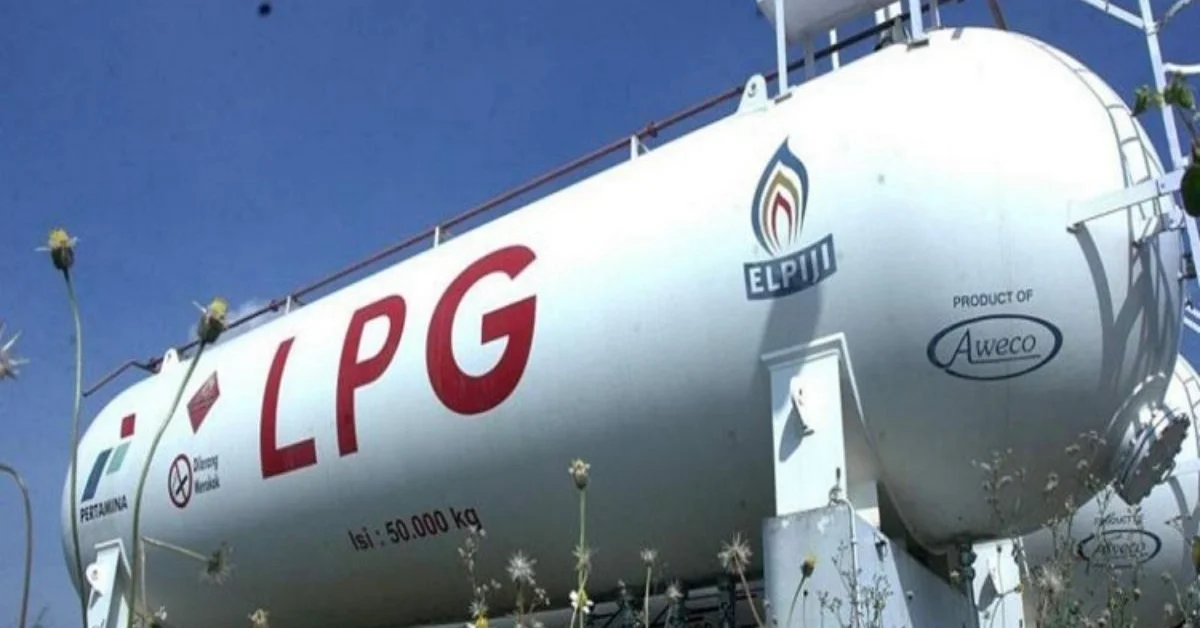
LPG: The pace at which LPG consumption has grown in India appears to be outpacing the growth in domestic production. LPG, a vital component of everyday life, is now widely used in homes and industries. This increased use is putting significant pressure on energy security.
Domestic production has increased, but has failed to meet the surge in demand
| Category | FY 2016–17 | FY 2024–25 | Growth / Change |
|---|---|---|---|
| Domestic LPG Production | 1.12 crore tonnes | 1.28 crore tonnes | Around 14% increase |
| Total LPG Consumption | 2.16 crore tonnes | 3.13 crore tonnes | Sharp rise in national demand |
| LPG Import Volume | 1.04 crore tonnes approx | 2.07 crore tonnes | Import dependence strengthened |
| Import Dependency | About 48% | 55–60% | Continued high reliance on imports |
| PMUY Annual Refill Average | 3.9 cylinders | 4.5 cylinders | Higher refill rate from rural households |
| Non–PMUY Annual Consumption | 6–7 cylinders | 6–7 cylinders | Consistent urban usage |
| Industrial LPG Usage | — | Increased by approx 16% | Growing industry contribution in demand |
A CRISIL Intelligence report indicates that domestic production will grow from 11.2 million tonnes in 2016–17 to 12.8 million tonnes in 2024–25, an increase of approximately 14%. However, LPG consumption has grown so rapidly that this production can only meet approximately 40–45% of the total demand, preventing a reduction in import dependence.

Import dependence of 55–60% has raised concerns about prices and energy stability
While India’s total LPG consumption reached 31.3 million tonnes in 2024–25, production remained at only 12.8 million tonnes. To meet the remaining requirement, 20.7 million tons of LPG had to be imported from foreign markets. This dependence directly impacts global market fluctuations on domestic cylinder prices and energy management.
Continuously Increased Consumption Due to the Ujjwala Yojana and Urban Gas Usage
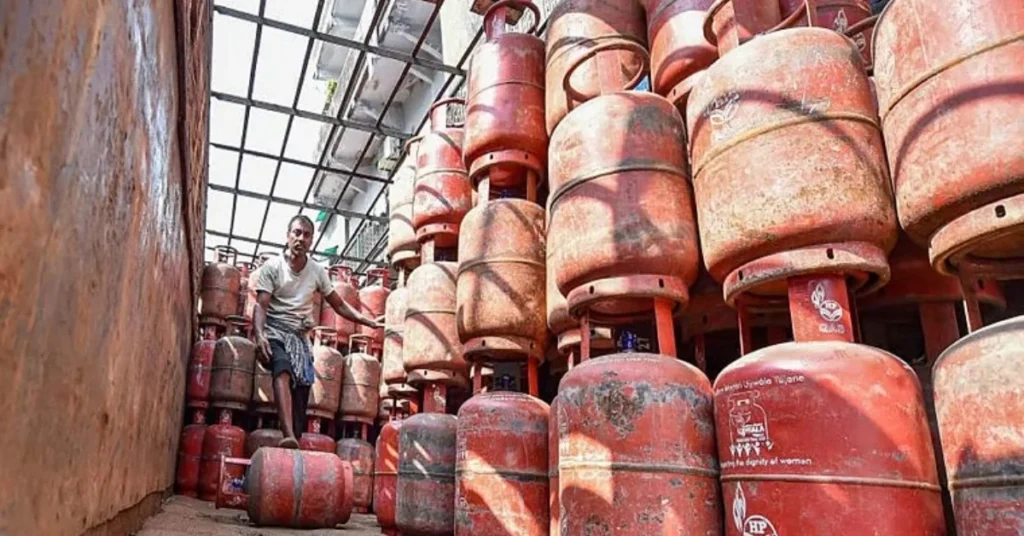
The strongest driver behind the increase in LPG consumption was the Pradhan Mantri Ujjwala Yojana, which enabled rural and low-income households to cook with gas regularly for the first time. While the average annual refill was 3.9 cylinders in 2016–17, it increased to 4.5 cylinders in 2024–25, leading to a significant increase in total consumption.
Industry and Urban Households Also Increased Usage, Further Boosting Demand
Non-Ujjwala urban households have consistently maintained their usage of 6–7 cylinders for the past five years. Furthermore, LPG demand in industries has increased by approximately 16%, further boosting overall consumption. Stable and regular usage in both domestic and industrial sectors contributed significantly to the further increase in import dependence.

Improving production capacity and strategy is essential for energy security
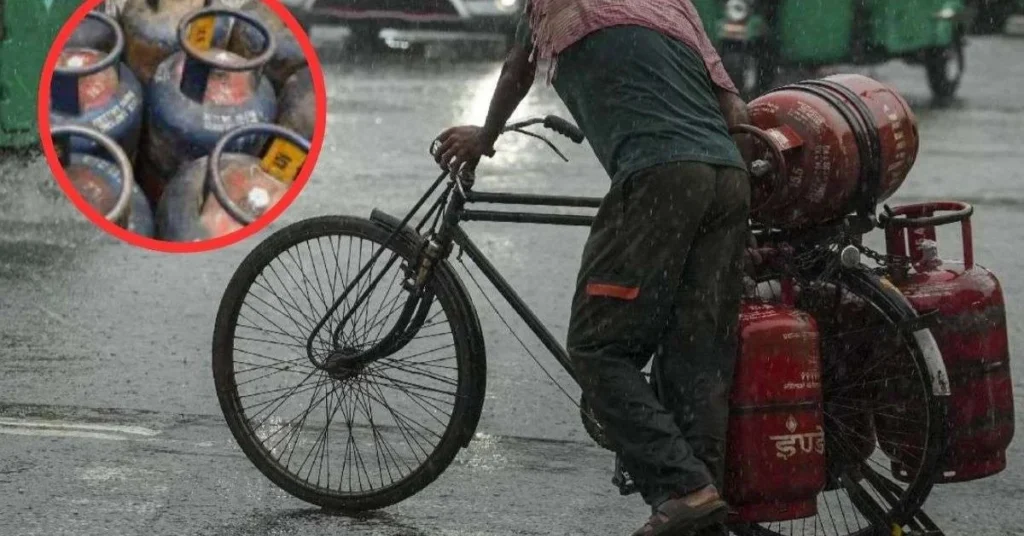
While rising consumption signals an improvement in living standards, it poses a challenging situation for energy management. A 55–60% dependence on imports could pose risks in the long run, especially during periods of international price fluctuations. Experts say serious efforts are needed on refinery expansion, gas infrastructure, and alternative fuels.
FAQs
1. Why does India import LPG even after increasing domestic production?
Because consumption is rising much faster than production, making imports necessary.
2. How much of India’s LPG demand is met through imports?
Around 55–60 percent of the total national requirement depends on imports.
3. Has LPG consumption increased due to Ujjwala Yojana?
Yes, regular refill rate among PMUY beneficiaries has increased significantly over the years.
4. Are urban households still the biggest LPG consumers?
Urban families remain consistent users with 6–7 cylinders per year on average.
5. Does industry also contribute to the rise in LPG demand?
Yes, industrial LPG usage has grown by nearly 16 percent recently.
Disclaimer: This article is based on research reports, public data, and available analysis. The content is intended for informational purposes only. It is essential to prioritize authoritative sources and expert advice for any decision or economic planning.