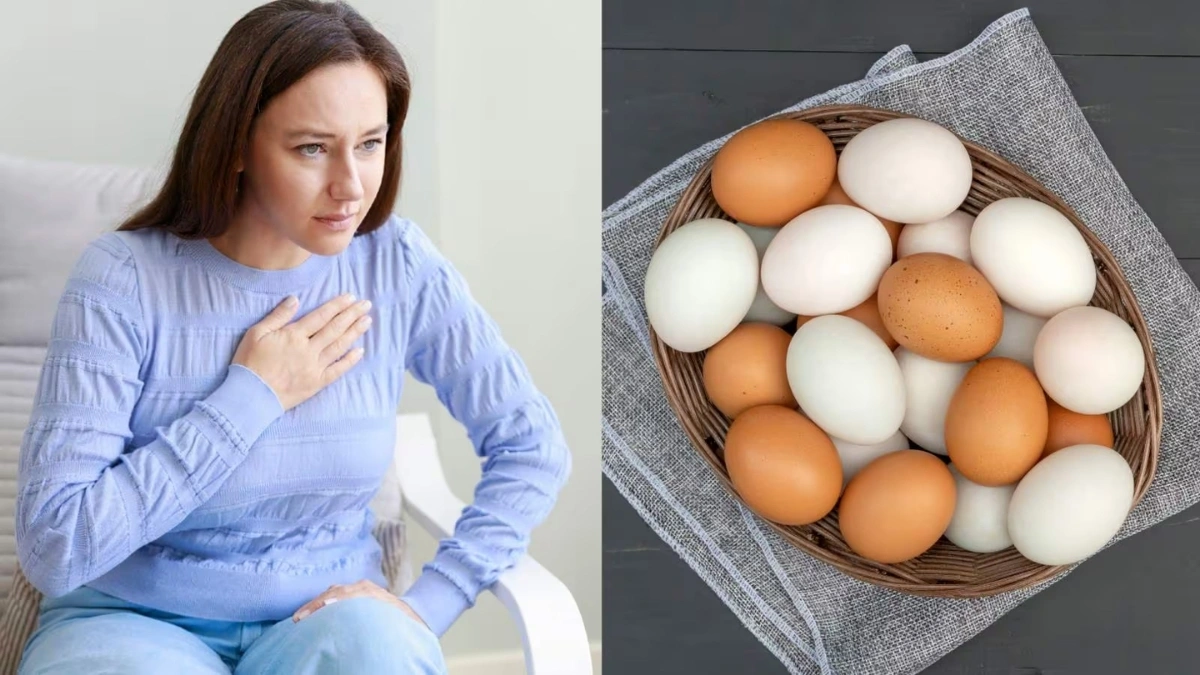
Weight gain and high cholesterol have become very common problems these days. Many people are confused about whether it’s okay to eat eggs, especially when their LDL levels are elevated. Most people cut back on their egg intake out of fear, but experts say the real danger isn’t just cholesterol, but saturated fat in the diet. Therefore, it’s not necessary to give up eggs; it’s important to eat them in the right amounts.
Dietitian Dr. Archana Batra says that people who are overweight and have high cholesterol should focus on protein, fiber, and low saturated fat in their diet. This not only helps control weight but also strengthens heart health. Eggs fit into this diet, but the only important thing is to be mindful of their quantity.

How many eggs should people with high cholesterol eat?

The biggest question about eggs is how many eggs are appropriate to eat per week. Experts suggest that if someone has high LDL (bad cholesterol) or is at risk for heart disease, they should limit their egg yolk intake.
According to dietitian Kanika Malhotra, a large egg contains approximately 186 mg of cholesterol, which is found entirely in the yolk. Therefore, those with high cholesterol should eat whole eggs only 3 to 6 times a week. However, egg whites are cholesterol-free. You can eat them in larger quantities, such as with omelets, scrambled eggs, or salads.
Doctors also advise that total dietary cholesterol should not exceed 300 mg per day. Therefore, if other foods are also high in cholesterol, egg intake may need to be further reduced.


FAQs Common Questions About Eggs and Cholesterol
- Should you avoid eggs altogether if you have high cholesterol?
No, just limit the amount. Egg whites are low-fat and high in protein, so you can eat them. - Is it safe to eat one egg daily?
If your cholesterol is slightly elevated but there’s no significant heart risk, one egg daily is fine. - Which part of the egg is more harmful?
The yolk contains all the cholesterol, while the white is safe. - Is a boiled egg healthier than a fried egg?
Yes. Frying increases saturated fat, which is bad for the heart.
Disclaimer: This article is intended to provide general health information only. Please consult your doctor or certified dietitian before addressing any medical issues or changing your diet plan.